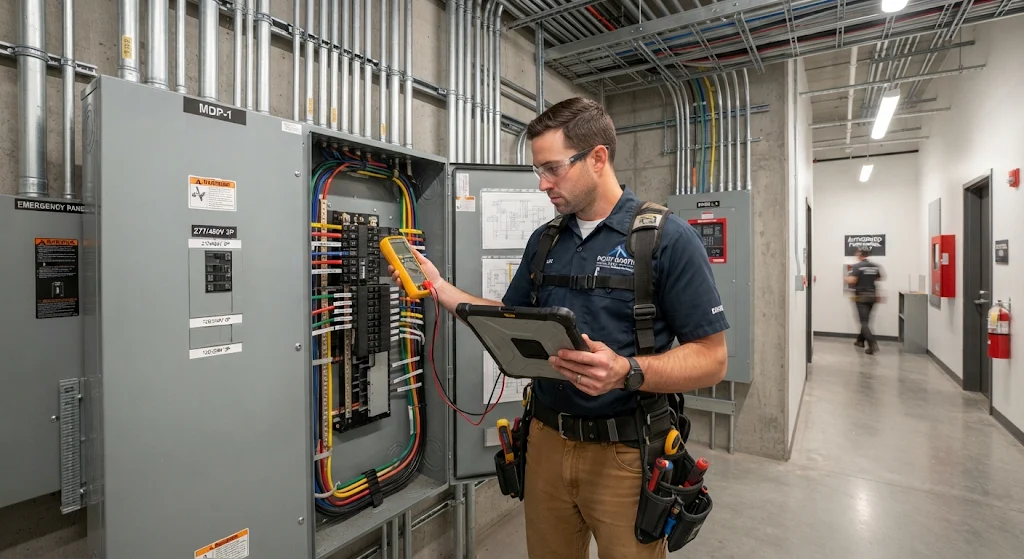
Technical Assessment & Scope of Generator Installation & Interconnection in Owensboro
When planning in Owensboro, property owners must navigate specific technical requirements dictated by local structural conditions, service load demands, and the Commonwealth of Kentucky's electrical codes. Whether you are addressing an emergency malfunction or executing a planned capital improvement, working with a qualified, licensed independent contractor ensures safety, efficiency, and code compliance.
In , properties face distinctive electrical considerations. Older homes may feature original wiring layouts unsuited to modern connected devices and high-draw equipment, while modern commercial properties require rigorous phase balancing and dedicated branch circuitry. Independent contractors connected through WATT911 provide tailored evaluations based on your property's specific configuration.
Core Areas of Focus for Generator Installation & Interconnection
During a professional diagnostic evaluation or project assessment, qualified contractors examine several critical parameters:
- Determining essential vs. whole-property electrical loads for accurate kilowatt (kW) sizing: Professional evaluation ensuring compliance with current Kentucky Building Code standards and manufacturer specifications.
- Automatic Transfer Switch (ATS) installation and compliance with NEC Article 702: Professional evaluation ensuring compliance with current Kentucky Building Code standards and manufacturer specifications.
- Dual-fuel natural gas and liquid propane (LP) interconnection coordination: Professional evaluation ensuring compliance with current Kentucky Building Code standards and manufacturer specifications.
- Manual interlock kits and dedicated generator inlet boxes for portable generator units: Professional evaluation ensuring compliance with current Kentucky Building Code standards and manufacturer specifications.
- Utility isolation protocols to prevent dangerous electrical backfeeding during grid restorations: Professional evaluation ensuring compliance with current Kentucky Building Code standards and manufacturer specifications.
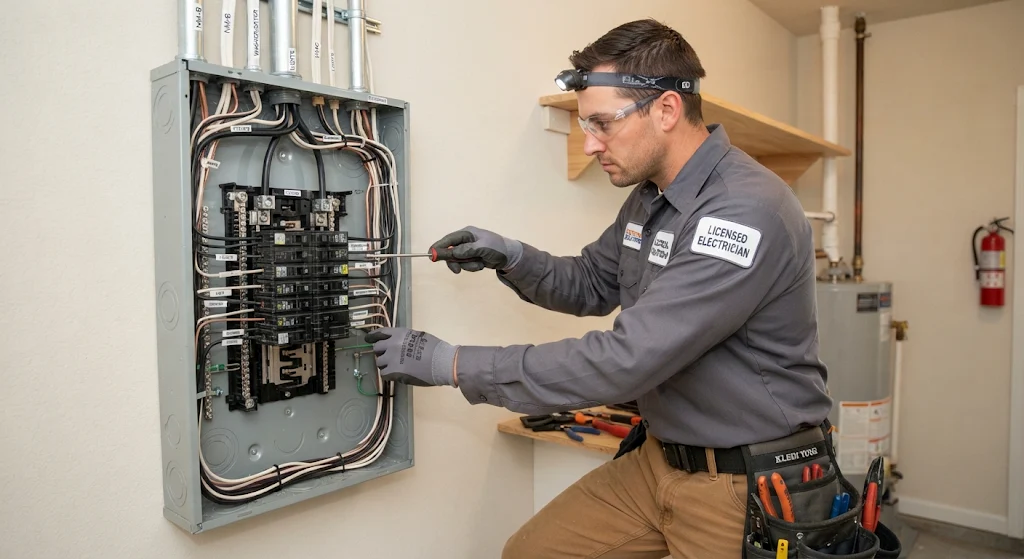
Permit & Inspection Coordination with
In Owensboro, electrical work involving significant modifications must be permitted and inspected in compliance with the Kentucky Building Code and the . Obtaining a permit is not merely a formality; it guarantees that independent certified inspectors verify grounding integrity, wire gauge sizing, overcurrent protection, and arc-fault/ground-fault compliance before the system is energized or reconnected to the grid.
When you connect with an independent electrical contractor through WATT911, the contractor handles the permit application process, submits load calculations or schematics where mandated, and coordinates the scheduled inspection with local building officials.
Frequently Asked Questions: Generator Installation & Interconnection in Owensboro
The process begins with an on-site evaluation by an independent contractor to assess current circuitry, calculate electrical loads, and determine required materials. The contractor provides a detailed written estimate, pulls necessary permits with , completes the electrical work, and schedules the final municipal inspection.
Generally, no. Your licensed independent electrical contractor typically coordinates directly with for temporary service drops, meter pulls, or service transformer upgrades required for the project.
Key warning signs include frequently tripping breakers, ungrounded two-prong outlets, warm switch plates, flickering lights during heavy appliance use, or insufficient panel space for adding new circuits or appliances.
WATT911 does not set or guarantee pricing. Each independent contractor establishes their own assessment policies, dispatch fees (if any), and written project estimates based on project complexity and diagnostic requirements.
Under Kentucky law, electrical contracting businesses must employ a licensed Master Electrician (ME) to supervise installations. Licensed professionals ensure full compliance with the National Electrical Code, safeguarding your property against electrical fires and code violations.